Sharp Microwave Drawer Manual: A Comprehensive Guide
This manual provides detailed instructions for Sharp microwave drawers, covering installation, operation, maintenance, and advanced features, ensuring optimal performance and longevity.
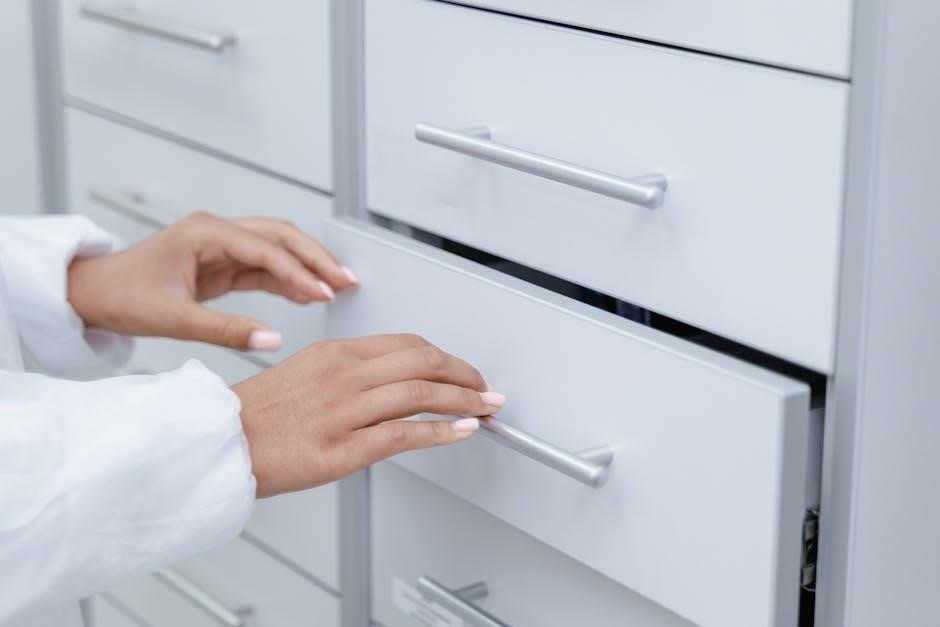
Sharp revolutionized kitchen convenience with the introduction of the microwave drawer, a unique appliance blending functionality and sleek design. Unlike traditional microwaves with hinged doors, Sharp’s innovation opens like a drawer, freeing valuable counter space and offering a modern aesthetic.
Pioneered by Memphian Harry Hessen, this design addresses the need for a more integrated kitchen appliance. Sharp, a company with a rich history dating back to 1912 and the creator of the first mass-produced microwave in 1961, continues to lead in quality and innovation.
These drawers are increasingly popular, with manufacturers offering options to suit diverse kitchen remodels. This guide will comprehensively cover all aspects of Sharp microwave drawers.
History of Sharp Microwave Technology
Sharp’s journey in microwave technology began in 1961 with the creation of the first mass-produced microwave oven, a groundbreaking achievement that transformed cooking. This pioneering spirit continued, establishing Sharp as a leader in the appliance industry for over six decades.
Throughout the years, Sharp consistently innovated, refining microwave technology and introducing features that enhanced convenience and efficiency. From early models to advanced sensor cooking, Sharp remained at the forefront.
The development of the microwave drawer represents the latest evolution, building upon Sharp’s legacy of quality and design. Today, Sharp continues to expand its offerings, including black stainless steel finishes and exploring future technologies like gesture control.
Benefits of a Microwave Drawer vs. Traditional Microwaves
Sharp microwave drawers offer a unique advantage: they open like a drawer, eliminating the need for a hinged door and freeing up valuable counter space. This design is particularly beneficial for kitchen remodels and modern aesthetics.
Unlike traditional microwaves, drawers integrate seamlessly into cabinetry, creating a cleaner, more streamlined look. They also offer improved accessibility, especially for individuals with limited reach or mobility.
Furthermore, the drawer format allows for larger interior capacities without increasing the overall footprint; Sharp’s innovation provides a sophisticated and functional alternative to conventional microwave ovens, enhancing both kitchen design and usability.
How Sharp Microwave Drawers Work: Core Mechanics
Sharp microwave drawers utilize magnetron technology to generate microwaves, similar to traditional models, but with a horizontally-oriented design. These microwaves excite water molecules within food, creating heat for cooking and reheating.
A key difference lies in the drawer’s opening mechanism, employing a smooth-glide track system for effortless operation. Safety interlocks prevent microwave emission when the drawer is open, ensuring user protection.
Many Sharp models feature sensor cooking, automatically adjusting power levels and cooking times based on humidity levels detected during the cooking process. The absence of a turntable in some models relies on a waveguide system for even microwave distribution.

Understanding Your Sharp Microwave Drawer Model
This section details identifying your specific Sharp model, its key features – like black stainless steel options – and a comprehensive control panel explanation.
Identifying Your Specific Model Number (SMD2470ASY Example)
Locating your Sharp microwave drawer’s model number is crucial for accessing the correct documentation, support, and replacement parts. The model number, such as SMD2470ASY, is typically found on a sticker located in one of several places.
Check the inside of the drawer, often on the side wall or the frame. Alternatively, the sticker might be on the back of the unit, visible when the drawer is pulled out and the appliance is accessible. It could also be on the original packaging or your purchase receipt.
Knowing your model number allows you to download the specific user manual from Sharp’s website, ensuring you have accurate instructions tailored to your appliance’s features and specifications. This is particularly important for troubleshooting or understanding advanced functionalities.
Key Features and Specifications
Sharp microwave drawers boast innovative features like drawer-style opening, maximizing counter space and offering a sleek aesthetic. Many models, like the SMD2470ASY, feature sensor cooking, automatically adjusting power levels and cooking times for optimal results.
Specifications commonly include a stainless steel finish, though black stainless steel options are emerging. These drawers often lack a turntable, utilizing a different heating system for even cooking. Power levels typically range from 850 to 1000 watts, and capacities vary, accommodating standard dinnerware.
Built-in installation is standard, requiring professional setup. Key features also include pre-programmed settings for popular foods and a digital control panel for precise operation, enhancing convenience and cooking performance.
Control Panel Overview and Functions
Sharp microwave drawer control panels are typically digital, offering intuitive operation. Common buttons include ‘Start’, ‘Stop/Clear’, ‘Power Level’, and numerical pads for precise time entry. Sensor cooking functions are accessed via dedicated buttons, initiating automatic adjustments based on food type and quantity.
Pre-programmed settings, like ‘Popcorn’ or ‘Reheat’, simplify common tasks. A ‘Kitchen Timer’ function operates independently of the microwave. The display shows cooking time, power level, and selected functions.
Some models may incorporate gesture control technology in future iterations. Understanding these functions ensures efficient and customized cooking experiences, maximizing the drawer’s capabilities.
Installation and Setup
Proper installation is crucial for optimal performance. Professional installation is recommended, ensuring correct built-in or freestanding placement and secure electrical connections.
Professional Installation Recommendations
Engaging a qualified technician guarantees a seamless and safe installation process for your Sharp microwave drawer. Technicians possess the expertise to correctly integrate the drawer into existing cabinetry, ensuring proper ventilation and adherence to local electrical codes.
Verify adequate space and structural support before installation. Improper support can lead to operational issues or safety hazards. Professionals will assess the surrounding area, confirming sufficient clearance for airflow and drawer operation.
Electrical connections must be performed by a certified electrician. Incorrect wiring can damage the appliance or pose a fire risk. Ensure the electrical supply meets the drawer’s specifications, and a dedicated circuit is recommended. Following these guidelines maximizes the longevity and safety of your Sharp microwave drawer.
Built-In vs. Freestanding Installation Options
Sharp microwave drawers offer versatility with both built-in and freestanding installation options, catering to diverse kitchen designs. Built-in installations create a streamlined, integrated look, seamlessly blending the drawer into cabinetry. This requires precise cutouts and professional installation for optimal aesthetics and functionality.
Freestanding options, while less common, provide flexibility for kitchens where built-in integration isn’t feasible. These typically require a surrounding cabinet or open space to accommodate the drawer’s dimensions.
Consider your kitchen layout and aesthetic preferences when choosing. Built-in models maximize counter space, while freestanding options offer easier installation. Always refer to the specific model’s installation guide for detailed instructions and dimensional requirements, ensuring a secure and visually appealing result.
Initial Setup and Testing
Following installation, the initial setup of your Sharp microwave drawer is crucial for ensuring proper operation. Begin by connecting the appliance to a dedicated, grounded electrical outlet. Verify the voltage matches the unit’s specifications. Next, perform a visual inspection, confirming all packaging materials have been removed and there’s no visible damage.
Run a test cycle using a microwave-safe container with water. This verifies heating functionality and sensor accuracy. Observe for any unusual noises or smells. Familiarize yourself with the control panel, testing each function – power levels, cooking modes, and pre-programmed settings.
Consult the manual for specific setup procedures related to your model. Proper initial testing guarantees safe and efficient performance from the start.
Operating Instructions
Effectively utilize your Sharp microwave drawer with clear guidance on basic cooking, sensor reheating, and pre-programmed settings for convenient meal preparation.
Basic Cooking Functions
Sharp microwave drawers offer intuitive controls for everyday cooking tasks. To begin, simply place your food inside the drawer and gently close it. Utilize the number pad to input the desired cooking time, followed by selecting a power level – options typically range from 10% to 100% for precise control.
The “Start” button initiates the cooking process, while the “Stop/Clear” button halts operation or resets settings. For frequently used durations, quick-start buttons (e.g., 30 seconds, 1 minute) provide convenient one-touch operation. Remember that the drawer design eliminates the need for a turntable, offering ample space for various dish sizes. Experiment with different power levels and cooking times to achieve optimal results for your favorite recipes. Always refer to food packaging guidelines for recommended microwave cooking instructions.
Sensor Cooking and Reheating
Sharp microwave drawers feature advanced sensor technology for effortless cooking. Sensor cooking automatically adjusts cooking time and power levels based on the moisture content of the food, ensuring perfectly heated results. To utilize this function, select the appropriate sensor setting – options include “Popcorn,” “Potato,” “Reheat,” and “Beverage.”
Simply press the sensor cook button, choose your food type, and press start. The drawer will monitor steam released during cooking to determine doneness. For reheating, the sensor function prevents overcooking and drying. Always ensure food is in a microwave-safe container. These intelligent features simplify meal preparation, delivering consistent and delicious outcomes with minimal user input.
Using Pre-programmed Settings
Sharp microwave drawers offer a variety of pre-programmed settings designed for common cooking tasks, streamlining your kitchen experience. These settings automatically set optimal time and power levels for foods like pizza, frozen vegetables, and beverages. Access these convenient options by pressing the “Preset” or “Auto Cook” button on the control panel.
A menu will appear displaying available choices. Select your desired food type, and the drawer will handle the rest. These pre-programmed settings eliminate guesswork, ensuring consistent results every time. Refer to the detailed chart within this manual for a complete list of available presets and recommended food weights for optimal performance. Enjoy effortless cooking with Sharp’s intuitive features!

Maintenance and Troubleshooting
Regular cleaning and addressing minor issues promptly will extend the life of your Sharp microwave drawer, ensuring consistent and safe operation.
Cleaning Your Sharp Microwave Drawer
Maintaining a clean microwave drawer is crucial for optimal performance and hygiene. Always unplug the drawer before cleaning. For daily upkeep, wipe the interior with a damp cloth after each use to remove food splatters and spills. Avoid abrasive cleaners, as they can damage the interior surfaces.
For more thorough cleaning, combine water with a mild dish soap. Apply the solution with a soft cloth, wiping down the interior walls, drawer rails, and exterior surfaces. Rinse thoroughly with a clean, damp cloth to remove any soap residue. The drawer itself can often be removed for easier cleaning – consult your model’s specific instructions.
Pay attention to the vent areas, ensuring they are free from grease and debris. A buildup can affect the drawer’s efficiency. For stubborn stains, allow the soapy water to sit for a few minutes before wiping. Never immerse the drawer or any of its components in water.
Common Issues and Solutions
If your Sharp microwave drawer isn’t heating, first check the power supply and ensure the door is fully closed. A faulty door switch can prevent operation. If the drawer displays an error code, consult the manual for specific troubleshooting steps. Uneven cooking can often be resolved by ensuring food is properly covered or stirred during the cooking process.
Strange noises might indicate an obstruction; inspect the interior for any foreign objects. If the drawer won’t start, reset the circuit breaker or try a different outlet. For sensor cooking issues, verify the sensors are clean and unobstructed. If problems persist, avoid self-repair and contact a qualified technician.
Always refer to your model’s specific troubleshooting guide within the manual for detailed solutions. Ignoring persistent issues could lead to further damage or safety hazards.
Safety Precautions and Warnings
Always supervise children when using the Sharp microwave drawer. Never operate the appliance empty, as this can damage the magnetron. Use only microwave-safe containers; avoid metal or foil, which can cause sparks and fire. Do not attempt to tamper with or repair the drawer yourself – contact a qualified technician.
Be cautious when heating liquids, as they can become superheated and erupt violently. Allow steam to escape before removing food. Ensure proper ventilation around the drawer during operation. Avoid placing heavy objects on top of the unit. Regularly inspect the power cord for damage and discontinue use if frayed.
Follow all instructions in this manual to prevent potential hazards and ensure safe operation. Ignoring these warnings could result in injury or damage to the appliance.
Advanced Features & Future Trends
Sharp explores innovations like black stainless steel finishes and potential gesture control, enhancing convenience and aesthetics in future microwave drawer models.
Black Stainless Steel Finish Options
Sharp distinguishes itself by offering microwave drawers in a sleek black stainless steel finish, a relatively new and premium option in the appliance market. Historically, stainless steel has been the dominant choice, but black stainless steel provides a modern, sophisticated aesthetic that complements contemporary kitchen designs;
This finish resists fingerprints and smudges more effectively than standard stainless steel, simplifying cleaning and maintenance. Tempo showcased a new Sharp microwave drawer at IFA 2024 specifically highlighting this black stainless steel availability;
Consumers seeking a statement piece or a coordinated look with other black stainless steel appliances will find this option particularly appealing. It’s currently the only microwave drawer available in this color, giving Sharp a competitive edge.
Gesture Control Technology (Potential Future Implementations)
Sharp is actively exploring innovative control methods for its microwave drawers, with gesture control technology being a key area of development. Inspired by science fiction interfaces – like those seen in Minority Report – this technology aims to offer a hands-free cooking experience.
Imagine starting, stopping, or adjusting cooking times with a simple wave of your hand. While not currently available in existing models, Sharp’s commitment to innovation suggests this feature could appear in future iterations.
Such advancements would further enhance the convenience and modern appeal of microwave drawers, solidifying Sharp’s position as a leader in kitchen appliance technology. This represents a significant leap beyond traditional button and touchscreen interfaces.