Article Plan: Hotpoint Washing Machine Drawer Instructions

This comprehensive guide details Hotpoint washing machine drawer care, covering removal, cleaning, troubleshooting, and replacement – ensuring optimal performance and longevity.
The Hotpoint washing machine drawer, often called a detergent dispenser, is a crucial component for effective laundry cycles. Located inside the machine, accessible by opening the door, it’s where detergents, fabric softeners, and pre-wash treatments are added.
Understanding its function and proper maintenance is key to preventing issues like blockages and ensuring your clothes are cleaned effectively. This drawer isn’t just a container; modern Hotpoint models may feature direct injection systems and even an ‘Auto Clean’ function. Regular cleaning prevents residue buildup, maintaining optimal performance and extending the life of your appliance. Ignoring this component can lead to diminished washing results and potential machine malfunctions.
Understanding the Drawer Components
The Hotpoint washing machine drawer typically consists of three distinct compartments. The first is for pre-wash detergent, used for heavily soiled items requiring an initial soak. Next, the main wash compartment holds detergent for the primary wash cycle. Finally, a separate section is dedicated to fabric softener, released during the rinse cycle.
Some models include markings indicating maximum fill levels. A release mechanism, often a lever or button, allows the drawer to be removed for cleaning. Familiarizing yourself with these components and their functions is essential for correct detergent dosage and optimal laundry results. Proper usage prevents residue buildup and ensures efficient operation.
Pre-Wash Compartment
The pre-wash compartment, usually marked with the symbol ‘I’ or a similar indicator, is designed for detergent used in a preliminary wash cycle. This is beneficial for heavily soiled laundry, offering an initial cleaning stage before the main wash. It’s crucial to only use detergent in this compartment if you’ve selected a pre-wash cycle on your Hotpoint machine;
Overfilling can lead to detergent residue and reduced washing effectiveness. Using too much detergent in the pre-wash, even with a selected cycle, can cause issues. Always adhere to the detergent manufacturer’s guidelines for dosage, considering load size and soil level.
Main Wash Compartment
The main wash compartment, typically labeled with ‘II’ or two vertical lines, is where you add detergent for the primary wash cycle. This compartment is used for every wash, regardless of whether a pre-wash cycle is selected. Powder, liquid, or gel detergents can be used here, but always follow the detergent manufacturer’s dosage recommendations based on load size and water hardness.
Ensure the detergent dissolves properly, especially with powder detergents, to avoid residue on clothes. Overfilling this compartment can also lead to issues, so measure carefully.

Fabric Softener Compartment
The fabric softener compartment, usually marked with a flower symbol, is designed for adding fabric conditioner during the final rinse cycle. This compartment prevents the softener from directly contacting the detergent, ensuring optimal effectiveness. Always dilute fabric softener with water before pouring it into this compartment, as concentrated softener can cause staining or blockages.
Avoid overfilling; adhere to the softener’s recommended dosage. Never use bleach or other cleaning agents in this compartment, as it can cause damage and potentially hazardous reactions.
Identifying Your Hotpoint Washing Machine Model
Before proceeding with any drawer-related maintenance, accurately identifying your specific Hotpoint washing machine model is crucial. Model numbers are typically found on a sticker located on the rear of the machine, inside the door opening, or on the machine’s front panel.
This information is vital for sourcing the correct replacement parts if needed and accessing model-specific instructions. Hotpoint-Ariston offers a wide range of machines, and drawer designs can vary. Knowing your model ensures compatibility and prevents incorrect procedures.
Safety Precautions Before Drawer Removal
Prioritize safety before attempting to remove the detergent drawer. Always disconnect the washing machine from the power supply to prevent electrical shock. Ensure the machine is turned off and, ideally, unplugged from the wall socket.
Avoid removing the drawer during a wash cycle. If a cycle is in progress, press the START/PAUSE button to halt it. Be mindful of any residual detergent or fabric softener, as these can cause irritation. Wear gloves if you have sensitive skin.
How to Remove the Detergent Drawer ⎻ Step-by-Step Guide
Removing the drawer is straightforward with these steps: First, locate the release mechanism – typically a lever or button within the dispenser compartment; Press this lever (often marked ‘1’ in manuals) firmly to disengage the drawer locking mechanism.
Simultaneously, gently but firmly pull the drawer outwards. It may require a slight tug, but avoid excessive force. Once released, the drawer should slide out easily. If resistance is met, re-check the release lever and ensure it’s fully engaged.
Locating the Release Mechanism
The detergent drawer’s release mechanism is crucial for removal. It’s generally situated inside the dispenser compartment, often towards the top or within the detergent area. Look for a small lever or button – it might be slightly recessed.
Many Hotpoint models feature a lever clearly marked, sometimes with the number ‘1’ as indicated in user guides. This lever, when pressed, disengages the drawer’s locking system. Some newer models may utilize a push-button release instead. Carefully inspect the drawer housing to identify this release point before attempting removal.
Pressing the Release Lever/Button
Once located, firmly press the release lever or button. You should feel a slight click or resistance as it engages, indicating the drawer is now unlocked. Continue applying gentle pressure while simultaneously preparing to pull the drawer outwards.
Avoid forcing the drawer if the lever doesn’t seem to fully depress; re-examine its location. Some models require a more deliberate push. Ensure the washing machine is off before pressing the release. This action disengages the locking mechanism, allowing for safe and easy removal of the detergent dispenser drawer.
Pulling Out the Drawer
With the release lever/button fully pressed, gently but firmly pull the detergent drawer straight out. Avoid twisting or jerking motions, as this could cause damage to the drawer slides or the machine housing. A smooth, even pull is key.
If resistance is met, double-check that the release mechanism remains fully engaged. Once clear of the housing, continue pulling until the drawer is completely removed. Inspect the drawer slides within the machine for any obstructions or debris before setting the drawer aside for cleaning.
Cleaning the Detergent Drawer
Regular cleaning of the detergent drawer is crucial to prevent blockages and maintain washing machine performance. Begin by removing any loose detergent residue from each compartment. For stubborn buildup, soak the drawer in warm water to loosen deposits.
Utilize cleaning solutions like vinegar or, cautiously, diluted bleach. Thoroughly rinse all compartments after soaking and scrubbing. Ensure no cleaning solution remains before re-inserting the drawer, as residue can affect wash cycles and potentially damage clothing.
Removing Residue from Each Compartment
Begin by carefully inspecting each compartment – pre-wash, main wash, and fabric softener – for accumulated detergent, softener, or debris. Use a small brush, like an old toothbrush, or a damp cloth to gently scrub away loose residue. Pay close attention to corners and narrow openings where buildup commonly occurs.
For hardened deposits, a more focused approach is needed. Soaking the drawer (as detailed later) will significantly aid in loosening stubborn residue, making it easier to remove with minimal effort and preventing damage.
Soaking the Drawer in Warm Water
After initial debris removal, immerse the detergent drawer in a basin or sink filled with warm water. Avoid using excessively hot water, as this could potentially damage plastic components. Allow the drawer to soak for at least 30 minutes, or even overnight for heavily soiled drawers.
This soaking process effectively loosens dried detergent and fabric softener residue, making subsequent cleaning significantly easier. Periodically agitate the water to enhance the dissolving action, ensuring all areas of the drawer are thoroughly saturated.
Using Cleaning Solutions (Vinegar, Bleach ⎻ with caution)
For stubborn residue, introduce cleaning solutions cautiously. White vinegar is excellent for dissolving mineral deposits and combating odors; dilute it with water (1:1 ratio) before applying. Bleach can disinfect, but use sparingly and only if the drawer is bleach-safe plastic – prolonged exposure can cause damage.
Always test solutions in an inconspicuous area first. After applying, allow a brief soak, then rinse thoroughly with clean water to remove all traces of the cleaning agent before reinstallation.
Addressing Common Drawer Issues
Several problems can arise with the detergent drawer. Blockages from concentrated detergent or fabric softener are frequent, requiring thorough rinsing. A drawer not sliding smoothly often indicates residue buildup or a damaged release mechanism. Inspect for cracks or breaks in the plastic components.
If the drawer is damaged, replacement is usually necessary; Persistent issues might signal a problem with the washing machine’s internal drainage system, requiring professional attention. Regular cleaning prevents most of these common occurrences.
Blockages in the Compartments
Blockages within the Hotpoint washing machine drawer compartments are common, particularly with liquid detergents and fabric softeners. Concentrated products can leave sticky residue, hindering water flow and causing buildup. This restricts proper detergent distribution during wash cycles, impacting cleaning performance.
Regularly inspect each compartment for solidified detergent or fabric softener. Remove any visible obstructions and ensure the small holes within the compartments are clear. Preventative measures include using the correct dosage and occasionally running a cleaning cycle.
Drawer Not Sliding Smoothly
A Hotpoint washing machine drawer that doesn’t slide easily often indicates a buildup of residue or a minor misalignment. Accumulated detergent and softener can create friction on the rails, preventing smooth operation. Inspect the drawer slides for any visible obstructions like lint or hardened detergent.
Thoroughly clean the drawer and the surrounding housing. Ensure the release mechanism isn’t partially engaged. If cleaning doesn’t resolve the issue, gently try re-seating the drawer onto the rails, applying even pressure. Avoid forcing it, as this could cause damage.
Damaged Drawer Components
If your Hotpoint washing machine’s detergent drawer exhibits cracks, breaks, or significant wear, replacement is usually necessary. A damaged drawer can lead to detergent leaks, improper dispensing, and potential machine malfunctions. Carefully inspect all parts – the main body, pre-wash compartment, softener compartment, and any internal dividers.
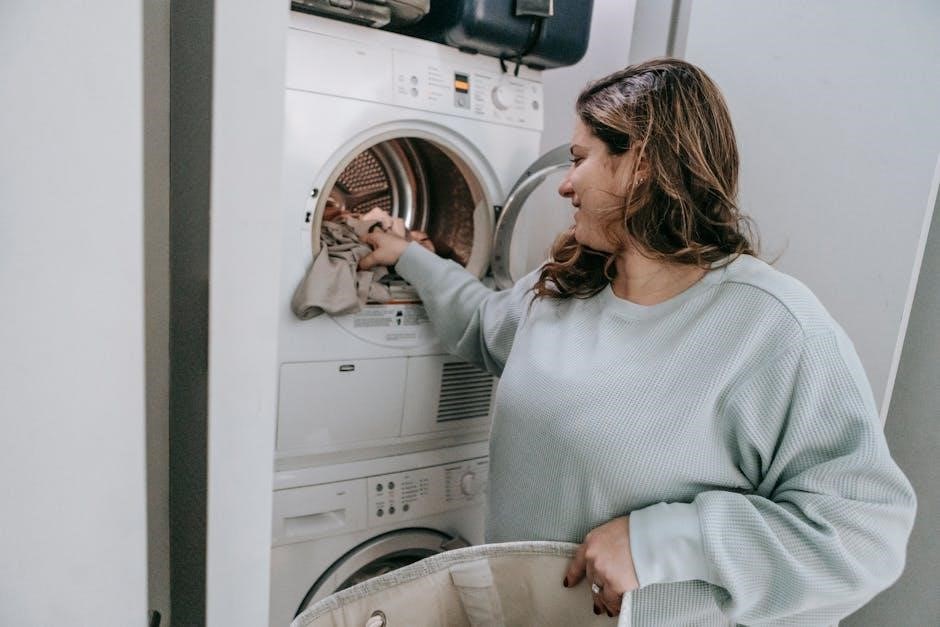
Even a damaged top section requires attention, as it affects detergent flow. Attempting to repair cracked plastic is often a temporary fix. Prioritize finding a compatible replacement part to restore proper functionality and prevent further issues within your washing machine.
Replacing a Damaged Detergent Drawer
Replacing a damaged drawer restores proper detergent dispensing and prevents leaks. First, finding the correct replacement part is crucial – use your washing machine’s model number for accurate matching. Once received, ensure the machine is off and unplugged. Gently slide the old, removed drawer completely out.
Align the new drawer with the guides within the dispenser housing. Push it in firmly until it clicks into place. Verify smooth sliding action. A properly installed drawer ensures optimal washing machine performance and prevents detergent-related issues.
Finding the Correct Replacement Part
Locating the precise replacement drawer is vital for a seamless fit and function. Begin by identifying your Hotpoint washing machine’s exact model number – usually found on a sticker inside the door or on the rear panel. Utilize this number when searching online retailers or contacting Hotpoint’s support directly.
Ensure the part is specifically designed for your model to avoid compatibility issues. Cross-reference part numbers if possible. Consider the drawer’s construction and features when ordering. A correct replacement guarantees optimal detergent dispensing and prevents potential leaks.
Installing the New Drawer
Carefully align the new detergent drawer with the opening in the washing machine. Gently slide the drawer into the designated slot, ensuring it moves smoothly along the rails. You should feel or hear a distinct ‘click’ as it engages with the release mechanism.
Test the drawer’s functionality by gently pulling it out and pushing it back in several times. Verify that all compartments open and close correctly. A secure fit is crucial to prevent detergent leakage during wash cycles. Confirm proper operation before resuming normal use.
Using the Auto Clean Function (If Applicable)
Many modern Hotpoint washing machines feature an ‘Auto Clean’ function designed to maintain internal cleanliness, including areas affected by detergent residue. This function typically involves a high-temperature wash cycle with a reduced amount of detergent, effectively flushing out buildup.
To activate, press the ‘Auto Clean’ button on the control panel. Refer to your washing machine’s manual for specific instructions and cycle duration. Regularly utilizing this feature can minimize the need for manual drawer cleaning and prolong the machine’s lifespan, ensuring optimal performance.
Understanding Direct Injection Systems
Some Hotpoint washing machines utilize a ‘Direct Injection’ system, delivering detergent directly into the drum during the wash cycle, bypassing the traditional drawer. This technology aims for improved detergent dissolution and efficiency, minimizing residue buildup within the drawer itself.
If your machine has this feature, a dedicated ‘Direct Injection’ button will be present on the control panel. Selecting this option alters the detergent delivery method. Even with direct injection, periodic drawer cleaning is still recommended to remove any potential softener or pre-wash agent residue.
Detergent Dosage Guidelines
Accurate detergent dosage is crucial for effective cleaning and preventing residue buildup in the drawer. Always refer to the detergent manufacturer’s instructions, as concentrations vary significantly. Overuse doesn’t necessarily mean cleaner clothes and can exacerbate drawer clogging.
Hotpoint manuals provide guidance based on load size, water hardness, and soil level. The detergent dispenser drawer is clearly marked for pre-wash, main wash, and fabric softener. Avoid exceeding the maximum fill lines indicated within each compartment to ensure proper operation and prevent overflow.
Caring for the Washing Machine Door and Drum
Regularly cleaning the washing machine door and drum prevents mold, mildew, and unpleasant odors. After each wash, leave the door slightly ajar to allow for ventilation and moisture evaporation. Wipe down the rubber gasket around the door with a damp cloth to remove any lingering detergent or debris.
Periodically run an empty hot water cycle with a washing machine cleaner to sanitize the drum. Avoid abrasive cleaners that could damage the stainless steel. Hotpoint recommends this process to maintain hygiene and prolong the lifespan of your appliance.
Cleaning the Washing Machine Pump
The washing machine pump filters debris, preventing blockages and ensuring efficient drainage. Hotpoint manuals advise periodically cleaning this pump to maintain optimal performance. Locate the pump access panel (usually at the front, bottom of the machine).
Before opening, have towels ready to absorb any residual water. Carefully remove the pump cover and clean out any lint, coins, or small objects. Ensure the impeller spins freely. Reinstall the cover securely. Regular pump cleaning prevents error codes and extends the life of your Hotpoint washing machine.
Checking the Water Inlet
Proper water flow is crucial for effective washing. Hotpoint recommends inspecting the water inlet hoses for kinks or obstructions. Ensure both hot and cold water supply valves are fully open. Check the inlet filters (located where the hoses connect to the machine) for sediment buildup.
To clean the filters, turn off the water supply, disconnect the hoses, and carefully remove and rinse the filters under running water. Reconnect the hoses securely. Regularly checking the water inlet guarantees sufficient water supply and prevents wash cycle interruptions.
Stopping a Wash Cycle (START/PAUSE Button)
Need to interrupt a wash cycle? The Hotpoint washing machine offers a convenient solution: the START/PAUSE button. Pressing this button once will pause the cycle, allowing you to add or remove items, or address any immediate concerns.
To completely stop the cycle, press and hold the START/PAUSE button for a few seconds. The machine will drain the water before fully stopping. Remember that repeatedly interrupting cycles can affect performance. Always use this function responsibly.
Load Balancing System Explained
Hotpoint washing machines feature a sophisticated load balancing system designed to prevent excessive vibration and damage during operation. This system detects unevenly distributed loads within the drum and automatically adjusts the spin speed to maintain stability.
If an imbalance is detected, the machine may reduce the spin speed or even pause the cycle to redistribute the laundry. Avoid overloading the machine or washing single, heavy items, as these can trigger the load balancing system. Proper loading ensures efficient and quiet operation.
Troubleshooting Drawer-Related Error Codes
While specific error codes vary by Hotpoint model, some relate to detergent drawer issues. A flashing light or code might indicate a problem with the water inlet, preventing detergent from being drawn correctly. Check the water supply hoses for kinks or obstructions.
Other codes could signal a blockage within the drawer itself or the internal drainage system. Consult your washing machine’s manual for a complete list of error codes and their corresponding solutions. Resetting the machine may also resolve temporary glitches.
Maintaining the Drawer for Optimal Performance
Regular cleaning is crucial for preventing blockages and ensuring smooth drawer operation. After each wash, briefly rinse the compartments to remove excess detergent and fabric softener. Monthly deep cleaning – involving removal and soaking – is highly recommended.
Utilize the Auto Clean function (if your model has one) to help maintain internal cleanliness. Avoid overloading the compartments with detergent, as this can lead to residue buildup. Inspect the drawer periodically for cracks or damage, addressing issues promptly to prevent further complications.
Hotpoint-Ariston Brand Overview
Hotpoint-Ariston, a prominent appliance manufacturer, is recognized for its innovative washing machine technology, including features like direct injection systems. As a leading brand, they were pioneers in washing machine design, prioritizing user convenience and efficiency.
Their machines often incorporate auto-clean functions to simplify maintenance. Understanding the brand’s commitment to quality helps appreciate the design of components like the detergent drawer. Hotpoint-Ariston’s focus on durability means proper care, like regular drawer cleaning, extends the lifespan of your appliance.
Unpacking and Initial Inspection of the Washing Machine
Upon receiving your new Hotpoint washing machine, carefully remove it from all packaging materials. Thoroughly inspect the appliance for any signs of damage incurred during transportation – dents, scratches, or broken components. Pay close attention to the detergent drawer area, ensuring it’s securely in place and undamaged.
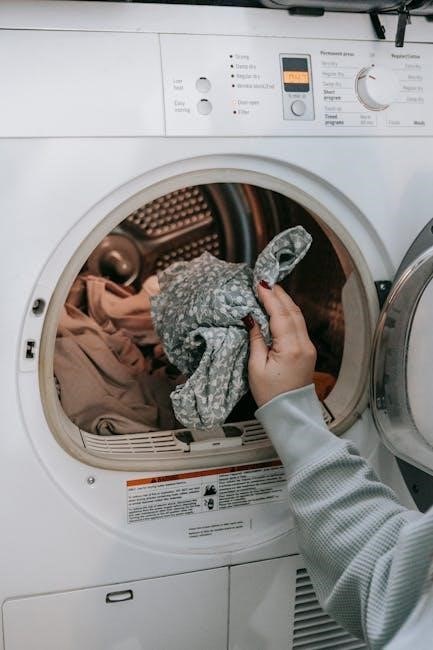
Document any visible damage with photographs before proceeding. Retain the packaging for potential returns or warranty claims. A pre-use inspection ensures optimal performance and prevents issues later, including problems with the detergent dispenser drawer’s functionality.
Resources for Further Assistance (Hotpoint Support)
For dedicated support regarding your Hotpoint washing machine and its detergent drawer, numerous resources are readily available. Visit the official Hotpoint website for FAQs, user manuals, and troubleshooting guides specifically addressing drawer issues. Contact Hotpoint’s customer service via phone or online chat for personalized assistance.
YouTube channels often feature helpful video tutorials, like the one demonstrating drawer removal (https://www.youtube.com/watch?v=ML5JgFcS4jI). Refer to your appliance’s documentation (8MB/708KB/871KB versions) for detailed instructions. Hotpoint’s support team can provide part numbers and guidance for replacements.
Keeping Your Hotpoint Drawer Clean and Functional
Maintaining a clean and functional Hotpoint washing machine drawer is crucial for optimal performance and preventing issues like blockages. Regular cleaning, utilizing warm water and gentle solutions like vinegar, prevents residue buildup. Promptly address any malfunctions, such as difficulty sliding or damage, through repair or replacement.
Utilize the Auto Clean function if your model has one, and remember proper detergent dosage. Consistent care extends the drawer’s lifespan and ensures your Hotpoint machine operates efficiently, delivering consistently clean laundry. Refer to the user manual for specific guidance.