Philips Respironics EverFlo concentrators deliver supplemental oxygen prescribed by a healthcare professional, enhancing well-being.
Always adhere to their guidance regarding flow settings and thoroughly review the user manual before operation for optimal benefits.
What is an Oxygen Concentrator?
Oxygen concentrators, like the Respironics EverFlo, are medical devices that extract oxygen from the air. Unlike oxygen tanks containing compressed gas, these units pull in ambient air, filter it, and concentrate the oxygen molecules.
This process delivers a consistent supply of supplemental oxygen to individuals with respiratory conditions. They are prescribed by healthcare professionals when a patient’s blood oxygen levels are insufficient. The EverFlo series provides a non-invasive method for oxygen therapy, offering a convenient alternative to traditional oxygen delivery systems. Understanding this fundamental function is crucial before using the device.
The EverFlo Series: Overview
The Respironics EverFlo and EverFlo Q oxygen concentrators represent a popular choice for home oxygen therapy. These devices are designed to be reliable and user-friendly, providing a consistent oxygen supply.
The EverFlo Q model often features quieter operation and enhanced performance compared to the standard EverFlo. Both models are intended for individuals requiring supplemental oxygen as prescribed by a healthcare professional. It’s vital to consult the full user manual for detailed specifications and operating instructions specific to your EverFlo model. Proper understanding ensures safe and effective use.

Understanding Your EverFlo Concentrator
Familiarize yourself with the EverFlo’s features and intended use, as detailed in the user manual, to ensure proper operation and maximize therapeutic benefits.
Key Features of the EverFlo and EverFlo Q
The EverFlo and EverFlo Q oxygen concentrators boast several key features designed for reliable performance and user convenience. These include compact designs for easy placement, and quiet operation, enhancing a peaceful environment.
Both models deliver consistent oxygen purity and offer adjustable flow settings, tailored to individual healthcare professional prescriptions. The EverFlo Q specifically provides higher flow capabilities for varied respiratory needs.
Furthermore, these concentrators incorporate user-friendly controls and display panels for simplified operation and monitoring. Regular maintenance, as outlined in the manual, ensures longevity and optimal functionality.
Intended Use and Benefits
The EverFlo and EverFlo Q oxygen concentrators are specifically designed for providing supplemental oxygen therapy to individuals with prescribed respiratory conditions. A healthcare professional determines the necessity of oxygen and sets the appropriate flow rate to meet individual needs.
Benefits include improved breathing, increased energy levels, and enhanced overall quality of life for those experiencing oxygen deficiency. These devices offer a non-invasive method of oxygen delivery, promoting greater comfort and independence.
It’s crucial to remember that these concentrators are medical devices and should only be used under the guidance of a qualified healthcare provider. Do not alter prescribed settings without professional consultation.
Setting Up Your EverFlo
Initial setup involves carefully unboxing the unit, inspecting for damage, and connecting it to a grounded power outlet before operation.
Unboxing and Initial Inspection
Carefully unpack your EverFlo oxygen concentrator, ensuring all components are present. These typically include the concentrator unit itself, a cannula or nasal tubing, a humidifier bottle (if prescribed), and this user manual. Inspect the unit thoroughly for any visible signs of damage incurred during shipping, such as dents, cracks, or broken parts.
Verify the power cord is intact and the humidifier bottle (if included) is unbroken. Do not operate the device if any damage is detected; immediately contact your healthcare provider or Philips Respironics support. Retain the original packaging for potential returns or servicing. A complete inventory check ensures a smooth start to oxygen therapy.
Connecting to Power
Before connecting your EverFlo concentrator, ensure the power switch is in the “Off” position. Locate the power cord and plug it securely into a grounded electrical outlet. Verify the outlet voltage matches the specifications listed on the unit’s label – typically 120V AC in North America.
Avoid using extension cords or power strips if possible; direct connection is preferred. Do not operate the concentrator with a damaged power cord. If you experience any electrical issues, disconnect the unit immediately and consult a qualified electrician. Proper power connection is crucial for safe and reliable operation.
Humidification System Setup (If Applicable)
If your prescription includes humidification, carefully attach the humidifier bottle to the designated port on the EverFlo concentrator. Ensure a secure connection to prevent leaks. Fill the humidifier bottle with distilled water only – tap water contains minerals that can damage the unit.
Do not overfill the bottle; adhere to the maximum fill line indicated. Regularly inspect the humidifier bottle for cracks or damage and replace it if necessary. Proper humidification prevents dryness and enhances comfort during oxygen therapy. Always follow your healthcare provider’s instructions regarding humidification settings.
Operating the EverFlo Concentrator
Power on the device and set the prescribed flow rate using the control knob. Monitor the display panel for operational status and ensure consistent oxygen delivery.
Powering On and Off
To power on the EverFlo concentrator, locate the power switch, typically found on the front or side panel. Ensure the unit is connected to a functioning power outlet. Press the power switch to the ‘ON’ position; the device will initiate a self-test sequence, indicated by lights and/or audible tones.
Allow the concentrator to complete the self-test before adjusting flow settings. To power off, simply press the power switch to the ‘OFF’ position. The unit will cease oxygen delivery and the display will turn off. Always disconnect the concentrator from the power source during extended periods of non-use or maintenance.
Flow Rate Settings and Adjustment
Your healthcare professional will prescribe a specific flow rate, measured in liters per minute (LPM), tailored to your individual needs. Do not alter this setting without consulting them. The EverFlo concentrator typically features a flow rate adjustment knob or digital controls.
To adjust the flow rate, carefully turn the knob or use the control panel to select the prescribed LPM. Observe the display panel to confirm the selected setting. Ensure the delivery tubing is securely connected before making adjustments. Regular monitoring by your healthcare provider is crucial to maintain optimal oxygen therapy.
Understanding the Display Panel
The EverFlo concentrator’s display panel provides vital information regarding its operation. Key indicators include flow rate setting, alarm status, and operational mode. Familiarize yourself with the icons and messages displayed. Error codes, if present, signal potential issues requiring attention – consult the troubleshooting section of the manual.
The panel may also show cumulative operating hours, aiding in maintenance scheduling. Regularly check the display for any unusual readings or alarm activations. Refer to the service manual or Philips Respironics support for detailed explanations of specific display features and context definitions.
Maintenance and Cleaning
Regular maintenance, including filter replacement and exterior cleaning, ensures optimal performance and longevity of your EverFlo concentrator.
Follow the schedule outlined in the user manual.
Filter Replacement Schedule
Maintaining the filters on your Respironics EverFlo oxygen concentrator is crucial for delivering clean, effective oxygen therapy. The frequency of filter replacement depends on your environment and usage.
Generally, the coarse filter should be checked monthly and replaced every three to six months, or sooner if visibly dirty. The fine filter requires more frequent attention, typically needing replacement every one to three months.
Always refer to your EverFlo user manual for specific recommendations tailored to your model. Using genuine Philips Respironics filters guarantees optimal performance and prevents damage to the unit. Consistent filter changes contribute to the concentrator’s efficiency and your overall health.
Cleaning the Concentrator Exterior
Regularly cleaning the exterior of your Respironics EverFlo oxygen concentrator helps maintain hygiene and prolong its lifespan. Before cleaning, always disconnect the unit from the power source to ensure safety.
Use a soft, damp cloth with mild soap and water to wipe down the cabinet. Avoid abrasive cleaners or solvents, as they can damage the finish. Ensure the cloth is only slightly wet to prevent moisture from entering the internal components.
Pay attention to areas prone to dust accumulation. Refer to your EverFlo user manual for specific cleaning instructions and precautions. A clean exterior contributes to a safe and efficient operating environment.
Humidifier Bottle Cleaning (If Applicable)
If your Respironics EverFlo concentrator utilizes a humidifier bottle, diligent cleaning is crucial to prevent bacterial growth. Disconnect the bottle and discard any remaining water daily. Wash the bottle with warm, soapy water, ensuring thorough rinsing to remove all soap residue.
A solution of white vinegar and water can be used for disinfection, followed by another thorough rinse. Inspect the bottle for cracks or damage, replacing it if necessary.
Always refer to your EverFlo user manual for specific cleaning recommendations and frequency. Proper humidifier bottle maintenance ensures the delivery of clean, moist oxygen.

Troubleshooting Common Issues
Addressing alarms and error codes is vital for safe operation. Consult the EverFlo manual for specific meanings and solutions to ensure continued oxygen delivery.
Error Codes and Their Meanings
Understanding the error codes displayed on your EverFlo concentrator is crucial for effective troubleshooting. The service manual details each code, providing insight into the specific issue detected by the device. Common codes may indicate sensor malfunctions, pressure irregularities, or internal system failures.
For example, a specific code could signal a problem with the oxygen purity sensor, while another might point to a restriction in the airflow pathway. Always refer to the comprehensive list within the manual to accurately diagnose the problem. Ignoring error codes can compromise the concentrator’s performance and potentially affect oxygen delivery.
Remember, attempting repairs without proper training is not recommended; contact qualified service personnel for assistance.
Addressing Alarms
The EverFlo concentrator utilizes alarms to alert you to potential issues requiring attention. These alarms can range from system checks to critical malfunctions impacting oxygen delivery. Immediate action is often necessary, but remaining calm and referencing the user manual is paramount.
Different alarm types signify varying levels of urgency. A low-pressure alarm indicates a potential disruption in oxygen flow, while a power failure alarm signals an electrical issue. Always check connections and power supply first. If the alarm persists, consult the manual for specific troubleshooting steps or contact your healthcare provider.
Ignoring alarms can compromise therapy; prompt response ensures continued safe and effective oxygen supplementation.
No Oxygen Flow Troubleshooting
Experiencing no oxygen flow from your EverFlo concentrator requires immediate attention. First, verify the unit is powered on and the prescribed flow rate is selected. Check all connections – nasal cannula to the concentrator, and the concentrator to a functioning power outlet. Ensure the humidifier bottle (if used) isn’t empty or kinked.
If the issue persists, inspect the cannula for blockages or damage. A clogged filter can also restrict airflow; refer to the maintenance section for filter replacement instructions. Do not attempt internal repairs.
If these steps fail, discontinue use and contact your healthcare provider or Philips Respironics support for assistance. Continuing without oxygen can be dangerous.
Safety Precautions
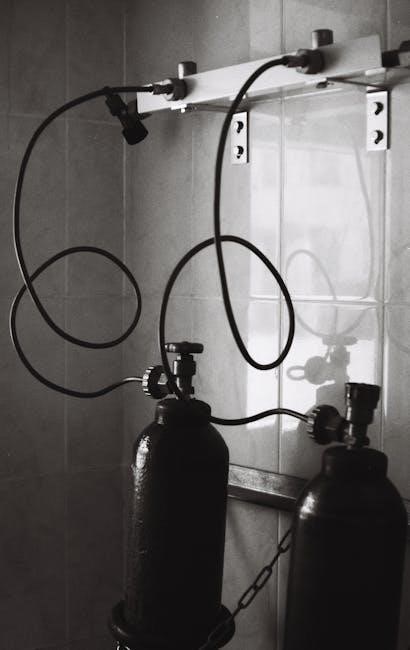
Always follow oxygen safety guidelines, ensuring proper electrical safety and usage in a well-ventilated environment. Never modify the device or change flow settings without professional guidance.
Oxygen Safety Guidelines
Oxygen supports combustion, meaning it can make fires burn hotter and faster. Therefore, absolutely no smoking or open flames should be near the EverFlo concentrator or the oxygen delivery tubing. Keep the device and tubing away from heat sources, oil, grease, and flammable materials.
Ensure the concentrator is positioned in a well-ventilated area, free from obstructions. Do not operate the device if it has been damaged in any way. Always use only the accessories recommended by Philips Respironics. Never attempt to self-repair the unit; contact qualified service personnel for assistance. Regularly inspect the tubing for cracks or leaks.
Electrical Safety
To prevent electrical shock, never operate the EverFlo concentrator with a damaged power cord or plug. Ensure the power outlet is properly grounded and matches the voltage requirements specified on the device’s label. Do not use extension cords or adapters unless absolutely necessary, and then only those rated for the concentrator’s power consumption.
Always unplug the unit before cleaning or performing any maintenance. Avoid operating the concentrator in damp or wet environments. If the device comes into contact with water, immediately unplug it and contact a qualified service technician. Never insert objects into the concentrator’s vents.
Proper Usage Environment
The EverFlo concentrator should be placed on a stable, level surface in a well-ventilated area, free from dust, dirt, and excessive humidity. Ensure there is adequate space around the unit for proper airflow – avoid placing it near curtains or other obstructions. Do not use the concentrator in areas where smoking is permitted or where flammable materials are present.
Avoid exposure to direct sunlight or extreme temperatures. Operate the device indoors only, and keep it away from water sources. Ensure the environment is free from excessive vibration, which could affect performance. Regularly inspect the area for potential hazards.
Technical Specifications
EverFlo models offer varying oxygen output and flow rates; detailed specifications are found within the user manual and service documentation provided by Philips Respironics.
EverFlo Model Specifications
The EverFlo oxygen concentrator, as detailed in its service and user manuals, provides oxygen concentrations ranging from 22% to 90% at various flow rates. It typically operates on standard AC power, with specific voltage requirements outlined in the documentation.
Weight varies, but generally falls within a manageable range for portability. The device’s dimensions are also specified for placement considerations. Sound levels are a key specification, designed for quiet operation. Refer to the manual for precise details regarding maximum output pressure, power consumption, and applicable safety standards.
These specifications ensure optimal performance and adherence to medical guidelines.
EverFlo Q Model Specifications
The EverFlo Q, a more advanced model, boasts enhanced specifications detailed in its accompanying manual. It delivers oxygen concentrations from 22% to 90%, with a broader flow rate range compared to the standard EverFlo.
This model often features a more compact design and potentially reduced weight, improving portability. Power requirements remain standard AC, but efficiency may be optimized; Sound levels are a key focus, aiming for even quieter operation. The manual provides precise data on output pressure, power usage, and safety certifications.
These specifications cater to users needing higher flow rates or prioritizing portability.

Service and Technical Information
Technical resources, like service manuals and software updates via the EverFlo Service Tool, are available on my.respironics.com for qualified technicians.
Accessing Service Manuals
Service manuals for the EverFlo and EverFlo Q oxygen concentrators are crucial resources for qualified technicians performing maintenance, troubleshooting, or repairs. These comprehensive guides detail technical specifications, component locations, and diagnostic procedures not covered in the standard user manual.
Philips Respironics provides access to these vital documents through their dedicated online platform, my.respironics.com. Registered service professionals can locate and download the appropriate service manual based on the specific EverFlo model they are servicing.
Proper utilization of the service manual ensures safe and effective repairs, maintaining the concentrator’s performance and adherence to safety standards. Always refer to the manual before undertaking any technical work.
Software Updates and the EverFlo Service Tool
The EverFlo Service Tool is a dedicated software application utilized for performing diagnostic tests, calibrations, and software updates on EverFlo oxygen concentrators. Regularly updating the concentrator’s software ensures optimal performance, addresses potential issues, and maintains compatibility with the latest features.
Manifest ZIP files containing the latest software versions are available for download from my.respironics.com. These files must be unzipped and loaded into the EverFlo Service Tool, typically installed in the “Program Files (x86)” directory.
Following the correct update procedure, as outlined in the service manual, is critical to avoid damaging the device or compromising its functionality.
Context Definitions for Main Screen
Understanding the EverFlo concentrator’s main screen display is crucial for effective operation and troubleshooting. The display provides real-time information regarding the device’s status, flow rate, and any active alarms or error codes.
Accessing context definitions, which explain the meaning of each displayed element, is easily achieved through the EverFlo Service Tool. Navigate to the “Help” tab within the software and select the “About” option. This action reveals a comprehensive list defining each parameter shown on the concentrator’s main screen.
This feature empowers service technicians and users to quickly interpret the information presented, facilitating informed decision-making and efficient maintenance.
Important Reminders
Always follow your healthcare provider’s specific instructions for using the EverFlo. Thoroughly read the complete user manual and contact Philips Respironics support with questions.
Following Healthcare Professional Instructions
Your healthcare professional has carefully evaluated your condition and determined that supplemental oxygen therapy, delivered via the EverFlo concentrator, is beneficial for your health. They have prescribed a specific flow setting tailored to your individual needs, ensuring optimal oxygen delivery.
It is critically important that you do not alter these prescribed flow settings without first consulting with your doctor or respiratory therapist. Adjusting the flow rate independently could compromise your therapy and potentially lead to adverse health consequences. Always discuss any concerns or changes in your condition with your healthcare provider. They are your primary resource for safe and effective oxygen therapy management.
Reading the Full User Manual
Before operating your Respironics EverFlo oxygen concentrator, it is essential to thoroughly read and understand the complete user manual. This comprehensive guide provides detailed instructions on setup, operation, maintenance, and troubleshooting. Familiarizing yourself with the manual ensures safe and effective use of the device.
The manual outlines important safety precautions, explains the function of each component, and details procedures for cleaning and filter replacement. Ignoring these instructions could lead to improper operation, potential hazards, or damage to the concentrator. A complete understanding of the manual empowers you to confidently manage your oxygen therapy.
Contacting Philips Respironics Support
For any questions or concerns regarding your Respironics EverFlo oxygen concentrator, do not hesitate to contact Philips Respironics support directly. They offer a wealth of resources and expert assistance to ensure optimal device performance and user safety. Accessing their support can resolve issues quickly and efficiently.
Philips Respironics provides various channels for support, including a dedicated helpline, online resources, and service manuals. Their trained professionals can guide you through troubleshooting steps, explain error codes, and assist with maintenance procedures. Promptly addressing any concerns with their support team guarantees continued effective oxygen therapy.